
Networking
How Network Wiring Supports VoIP and Unified Communications in Commercial Facilities
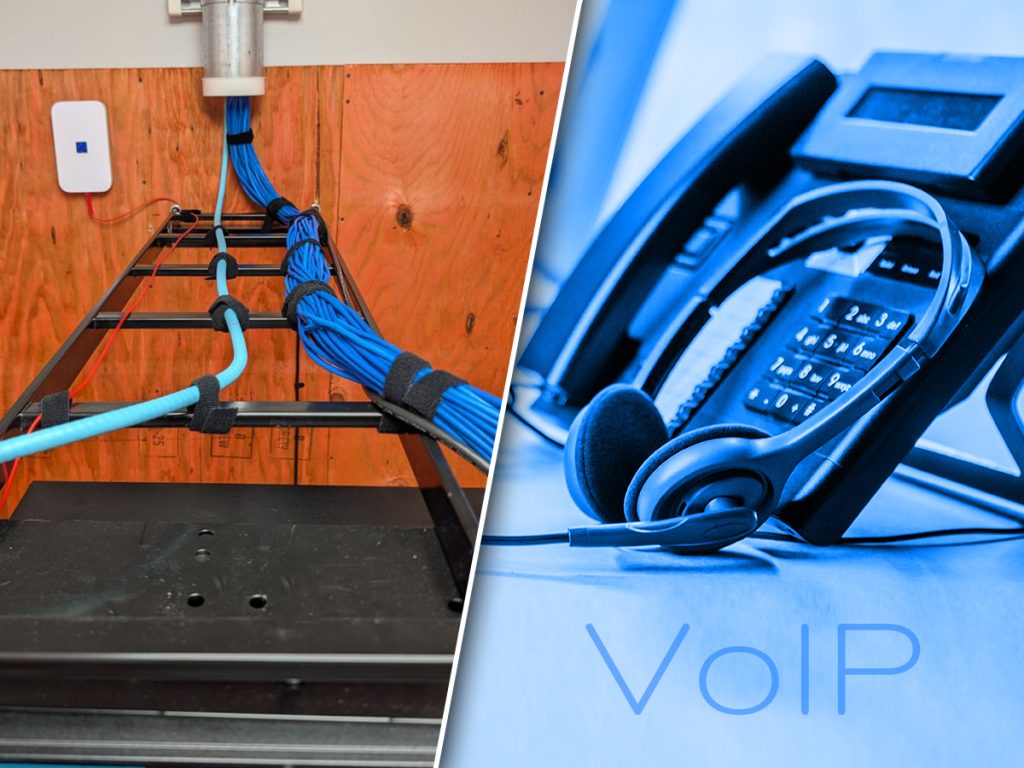
Modern businesses rely on more than just traditional phone systems to stay connected. Voice over Internet Protocol (VoIP) and Unified Communications (UC) platforms have transformed the way organizations communicate by integrating voice calls, video conferencing, instant messaging, file sharing, and collaboration tools into a single system. Behind these technologies is a critical component that often…
Read MorePreparing Commercial Buildings for Smart Technology with Structured Cabling
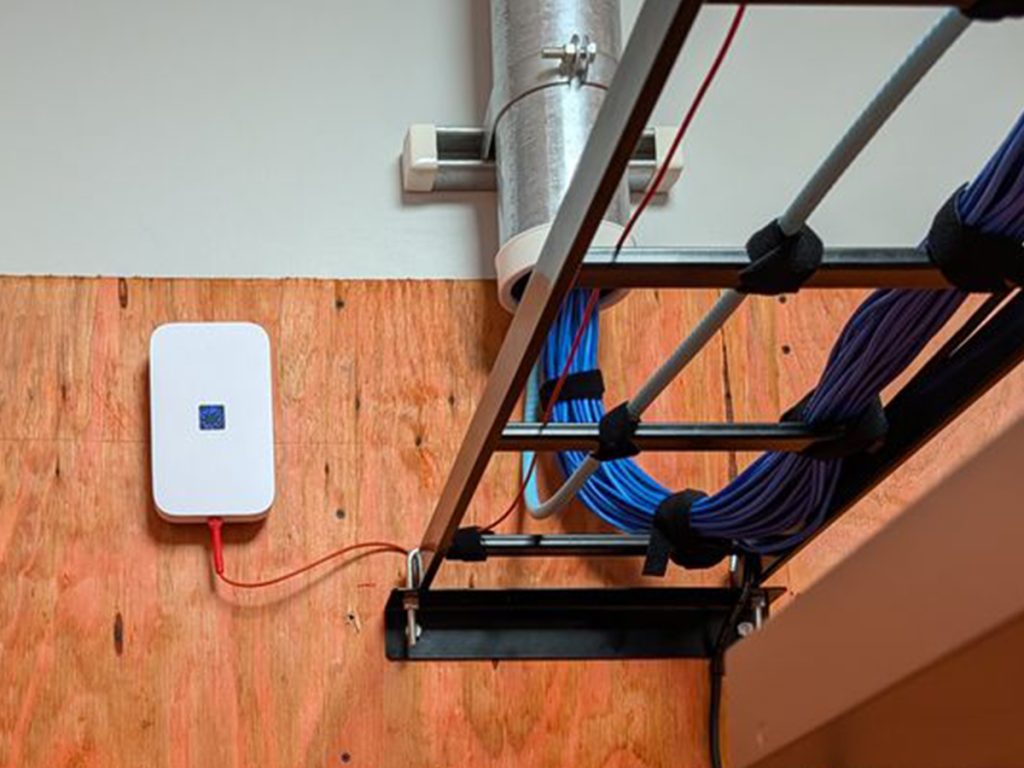
Smart technology is transforming commercial buildings by improving energy efficiency, security, communication, and day-to-day operations. From intelligent lighting and HVAC controls to access control systems and connected security cameras, these technologies depend on a reliable network infrastructure. Structured cabling provides the foundation that allows smart building systems to perform efficiently today while supporting future innovations.…
Read MoreWhy Redundant Network Wiring Is Critical for Business Continuity
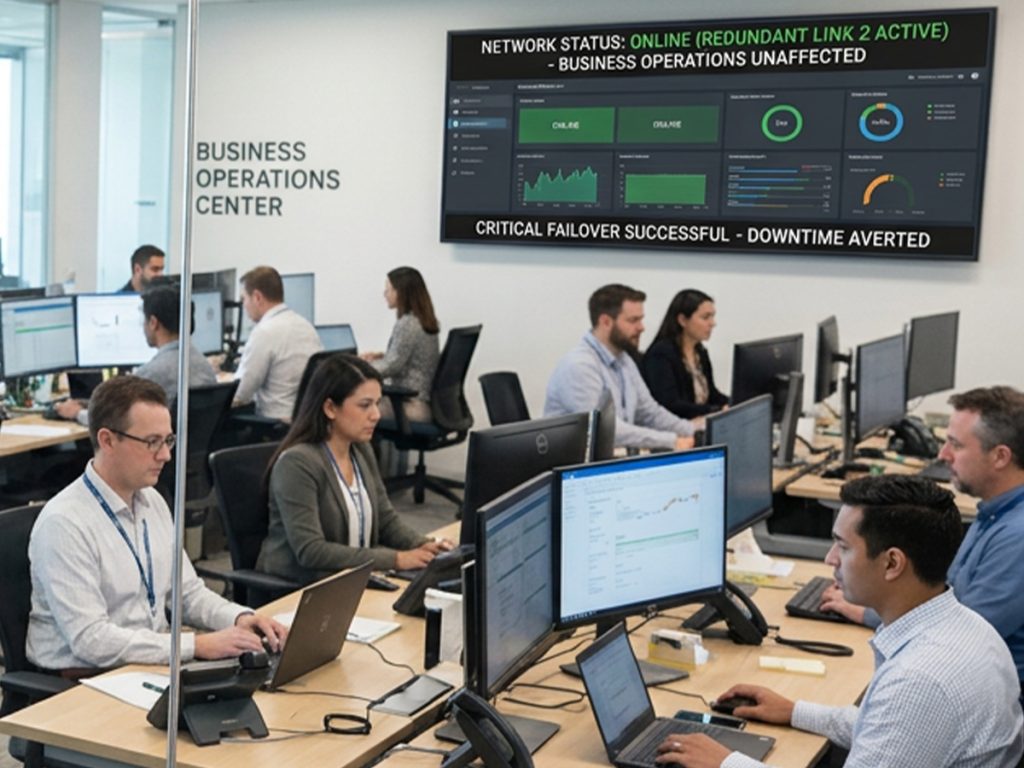
In today’s technology-driven business environment, network downtime can have serious consequences. Lost productivity, interrupted communications, delayed transactions, and operational disruptions can quickly impact revenue and customer satisfaction. That’s why many organizations are investing in redundant network wiring as part of their business continuity strategy. What Is Redundant Network Wiring? Redundant network wiring involves installing secondary…
Read MoreWhen to Upgrade Your Commercial Network Wiring: Signs It’s Time for an Overhaul
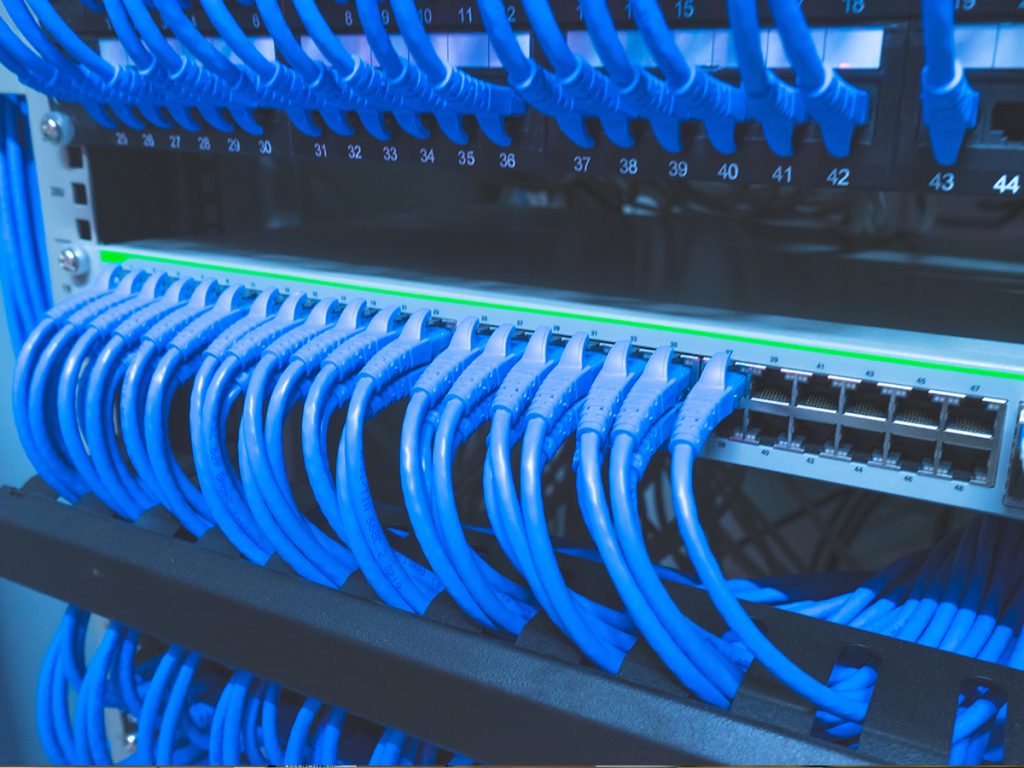
Your commercial network wiring is the foundation of your business’s communication and technology systems. As technology advances and bandwidth demands increase, outdated or poorly performing cabling can lead to slow connections, downtime, and reduced productivity. Recognizing the signs that it’s time for a network wiring overhaul can help businesses avoid costly disruptions and improve overall…
Read MoreThe Importance of Network Wiring in Supporting Warehouse Management Systems (WMS)

Warehouse Management Systems (WMS) have become essential tools for modern warehouse operations. From tracking inventory and managing shipments to improving workflow efficiency, these systems rely on fast and reliable network connectivity to function properly. Behind every successful WMS is a strong network wiring infrastructure that keeps operations connected and running smoothly. Supporting Real-Time Data Communication…
Read MoreBest Practices for Labeling and Managing Network Cabling in Large Facilities
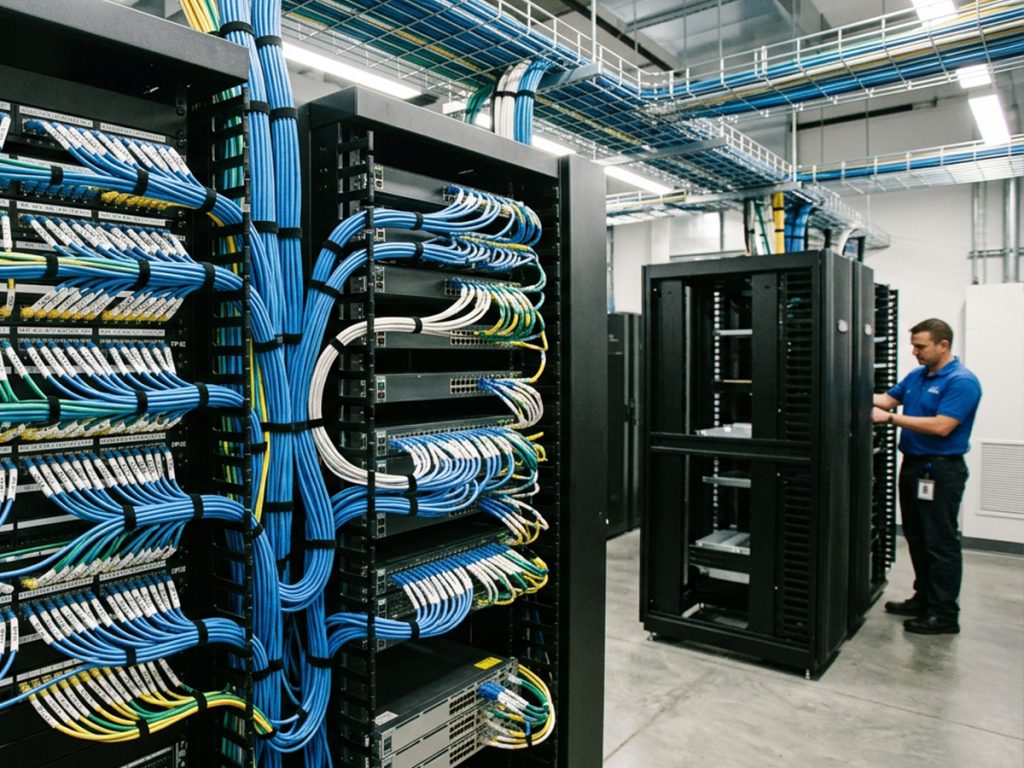
In large commercial buildings and industrial warehouses, network cabling systems can quickly become complex. Without proper organization and labeling, troubleshooting network issues, performing upgrades, or expanding infrastructure can become time-consuming and costly. Following best practices for cable management helps ensure long-term efficiency, reliability, and scalability. The Importance of Proper Cable Labeling Clear and consistent cable…
Read MoreHow Poor Network Wiring Impacts Warehouse Productivity and Downtime

In today’s fast-paced industrial environments, warehouses rely heavily on stable network connectivity to support inventory systems, automation, communications, and day-to-day operations. While businesses often focus on software and equipment upgrades, poor network wiring is an overlooked issue that can significantly impact productivity and lead to costly downtime. Slow Connections and Network Interruptions Outdated or improperly…
Read MoreOptimizing Network Wiring for Large-Scale Surveillance and Access Control Systems
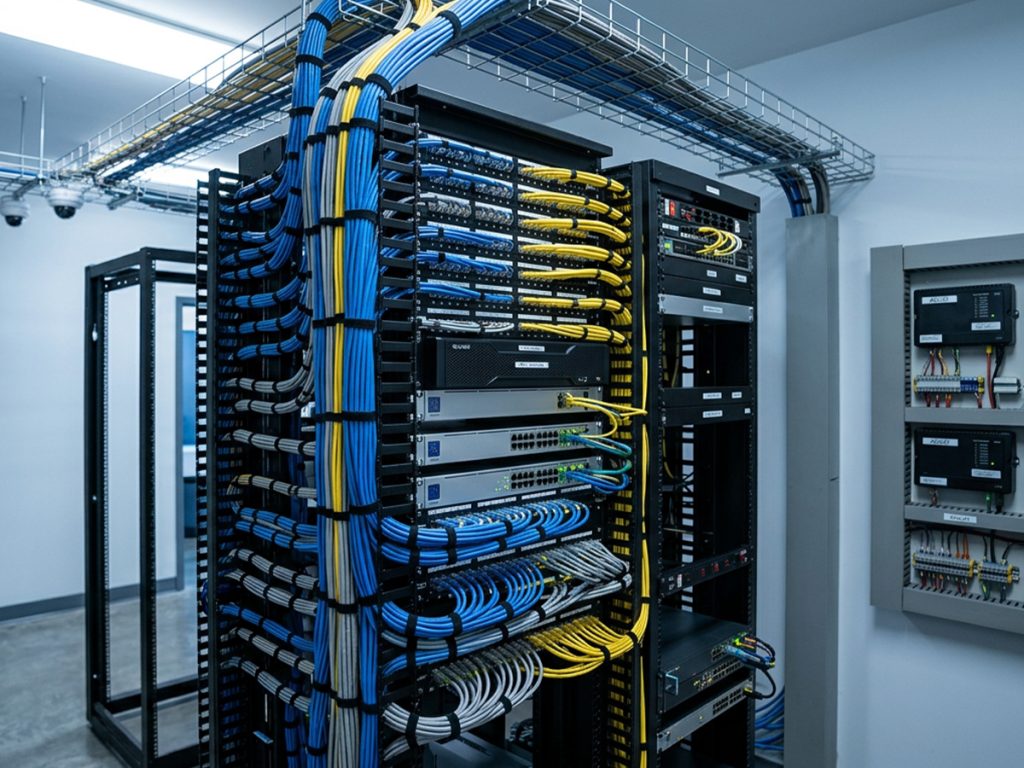
In large commercial buildings and warehouses, surveillance and access control systems are essential for maintaining security, monitoring operations, and protecting assets. However, these systems are only as effective as the network infrastructure that supports them. Optimizing network wiring is critical to ensuring reliable performance, clear video quality, and real-time access control. Supporting High-Bandwidth Video Systems…
Read MoreEnvironmental Challenges in Warehouse Cabling (Heat, Dust, and Moisture)
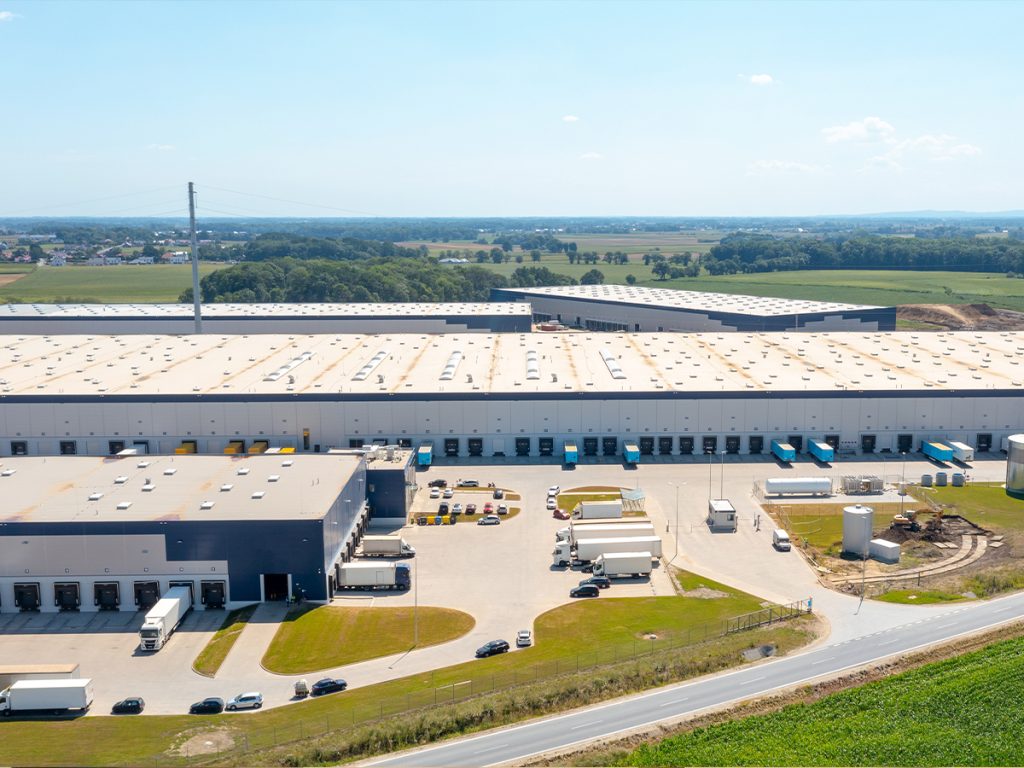
Industrial warehouses present some of the harshest conditions for network infrastructure. From extreme heat to airborne dust and high humidity, these environments can significantly impact the performance and lifespan of cabling systems. Understanding these challenges—and planning for them—is essential to maintaining a reliable network. Heat and Temperature Fluctuations Warehouses often experience wide temperature swings, especially…
Read MoreThe Role of Structured Cabling in Warehouse Automation and Robotics

As warehouses increasingly rely on automation and robotics to improve efficiency and accuracy, the importance of structured cabling has never been greater. Behind every automated system—whether it’s robotic picking, conveyor systems, or real-time inventory tracking—is a reliable network infrastructure that keeps everything connected and running smoothly. Supporting High-Speed Data and Connectivity Warehouse automation depends on…
Read More