
Networking
What Is a Demarc Extension and When Does Your Business Need One?
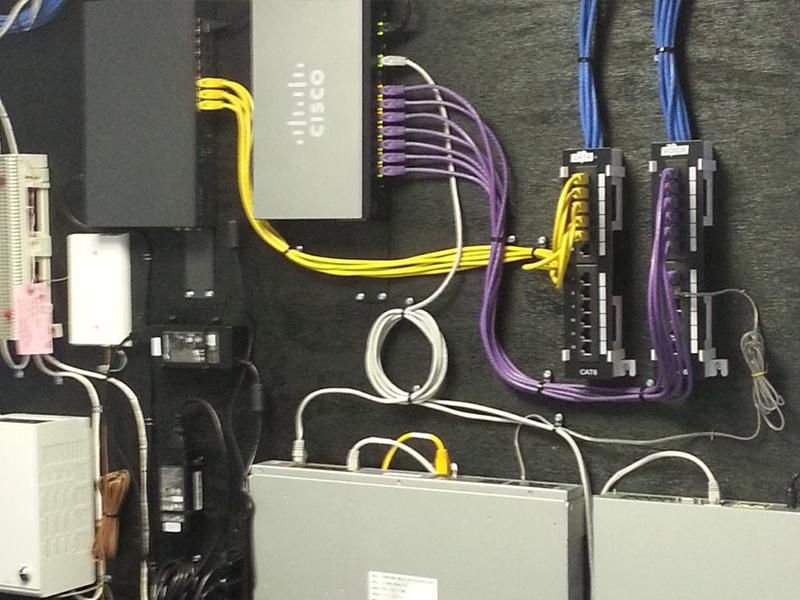
When a business orders internet, fiber, phone, or other telecommunications services, the service provider typically delivers that connection to a specific location within the building. This point is known as the demarcation point, or demarc. But what happens when the demarcation point is located somewhere that isn’t practical for the business’s network equipment? That’s where…
Read MoreSchool Network Wiring: Planning for Security, Connectivity, and Growth
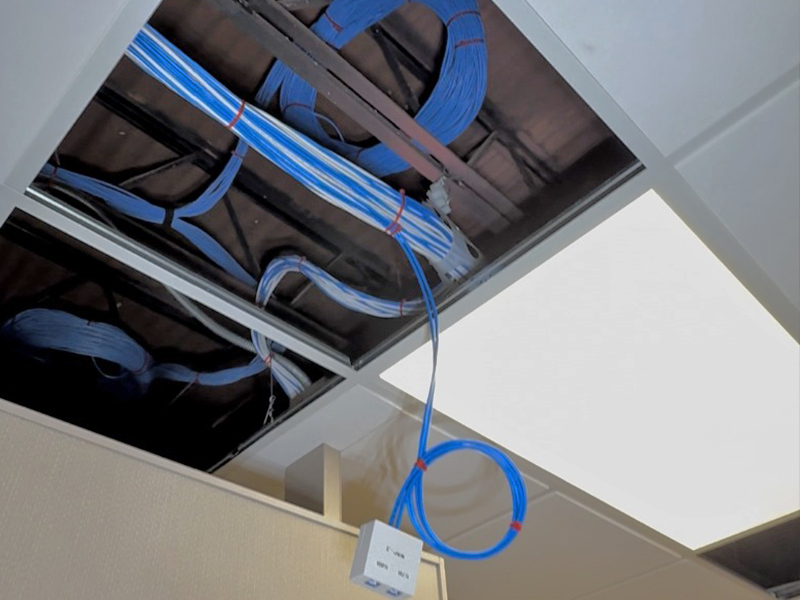
Modern schools rely on network infrastructure for nearly every aspect of daily operations. From classroom computers and wireless devices to security cameras, access control systems, phones, administrative systems, and digital learning platforms, reliable connectivity is essential. That makes school network wiring more than simply running cables from one location to another. A properly designed network…
Read MoreQuestions to Ask Before Hiring a Fiber Optic Installation Company
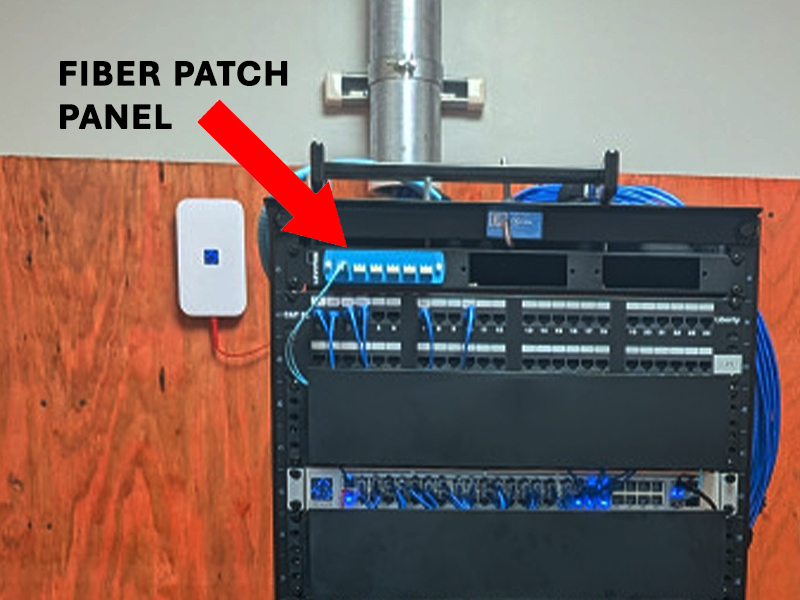
Fiber optic cabling provides the speed, reliability, and bandwidth that modern businesses need to support cloud applications, video conferencing, data centers, security systems, wireless networks, and growing digital operations. However, the success of a fiber optic project depends on more than selecting the right cable. The installation company you hire can significantly impact network performance,…
Read MoreWhen Is It Time to Upgrade from Cat5e to Cat6A?
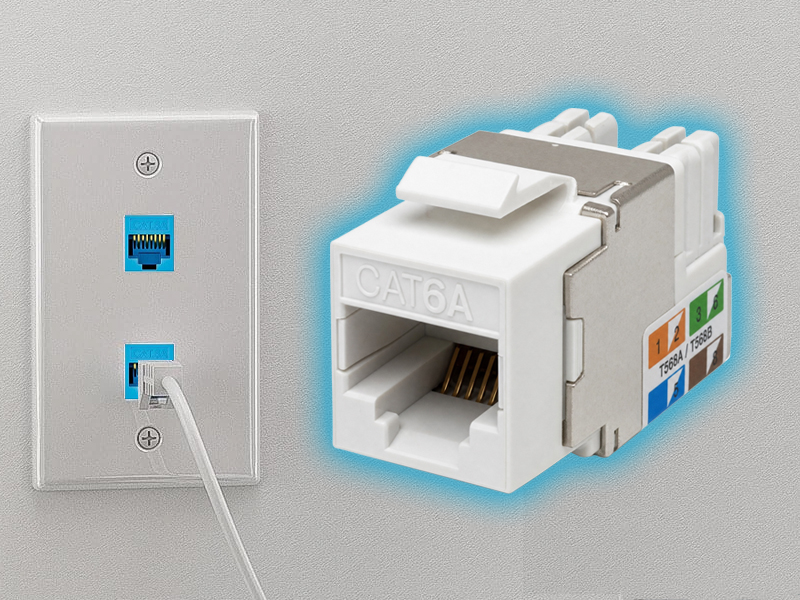
Network infrastructure plays a critical role in how modern businesses operate. From cloud applications and video conferencing to wireless access points, security cameras, and data-intensive systems, organizations depend on reliable, high-speed connectivity throughout their facilities. Many businesses still use Cat5e cabling, and in the right environment, it can continue to provide dependable performance. However, as…
Read MoreHow Often Should Commercial Network Cabling Be Tested?
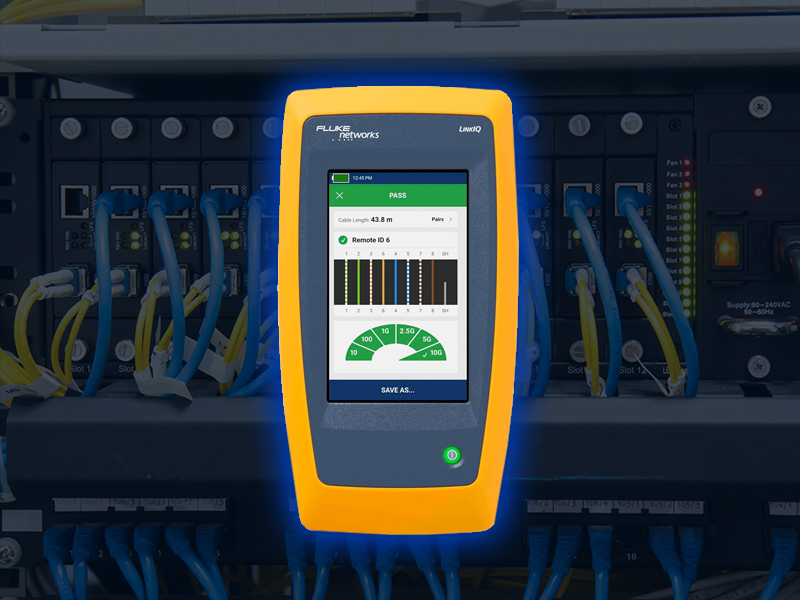
Commercial network cabling is the foundation of a business’s IT infrastructure. When cables are properly installed, tested, and maintained, they provide reliable connectivity for computers, phones, wireless access points, security systems, point-of-sale equipment, and other connected devices. But how often should commercial network cabling be tested? For most businesses, network cabling should be tested when…
Read MoreWhat Retail Chains Should Know Before Starting a Network Cabling Project
Retail businesses depend on reliable technology to keep stores operating efficiently. Point-of-sale systems, inventory management, WiFi, security cameras, digital displays, access control, and employee devices all rely on dependable network infrastructure. When network cabling is outdated, poorly designed, or inconsistent from one location to another, even a small connectivity problem can disrupt store operations. For…
Read MoreCat5e vs. Cat6A: Which Network Cable Is Right for Your Business?
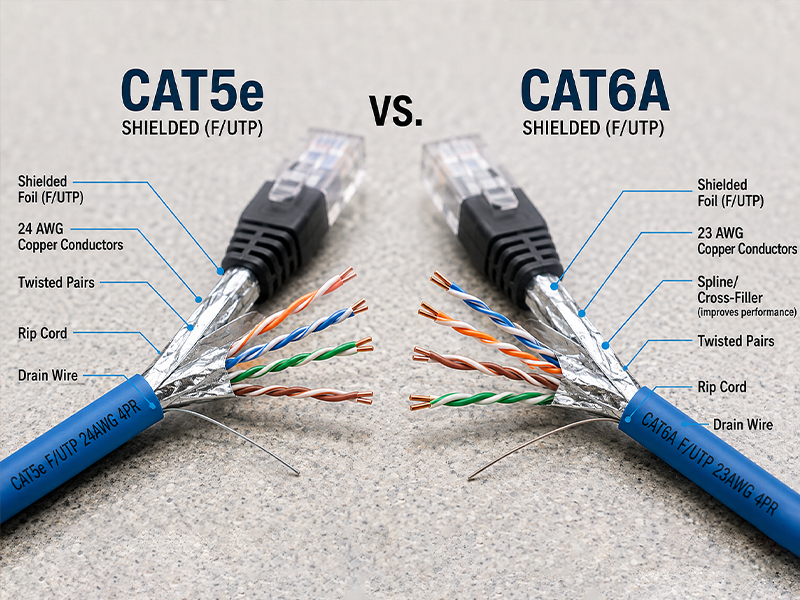
Choosing the right network cabling is an important decision for any business planning a new network installation, facility expansion, or technology upgrade. While Cat5e and Cat6A are both widely used Ethernet cable standards, they offer different levels of performance and are designed for different networking environments. For facility managers, business owners, and IT professionals, understanding…
Read MoreWhy Modern Businesses Should Replace Aging Network Cabling
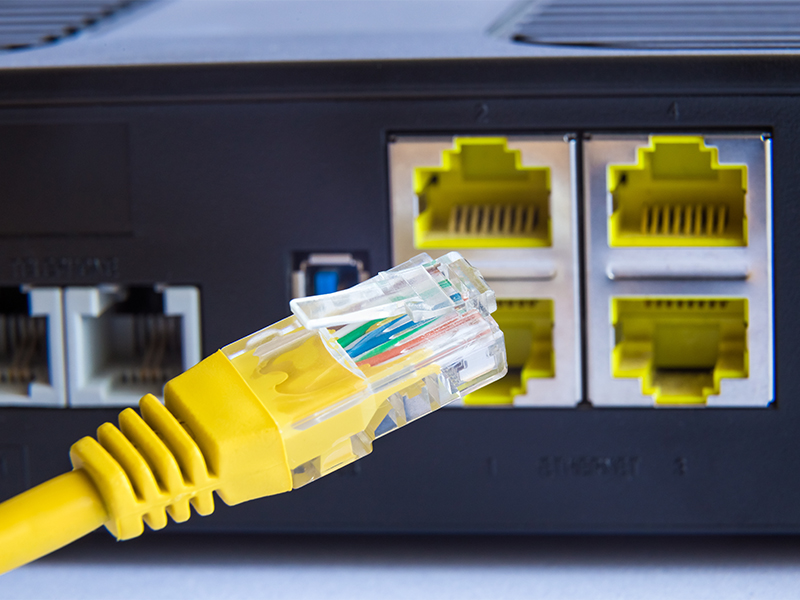
Your business network is only as strong as the infrastructure supporting it. While many organizations focus on upgrading computers, servers, cloud applications, and networking equipment, one critical component is often overlooked—the network cabling hidden behind walls, above ceilings, and throughout the building. Aging network cabling can become a significant bottleneck as technology evolves. Slower network…
Read MoreHow Businesses Can Successfully Manage Multi-Location Network Rollouts
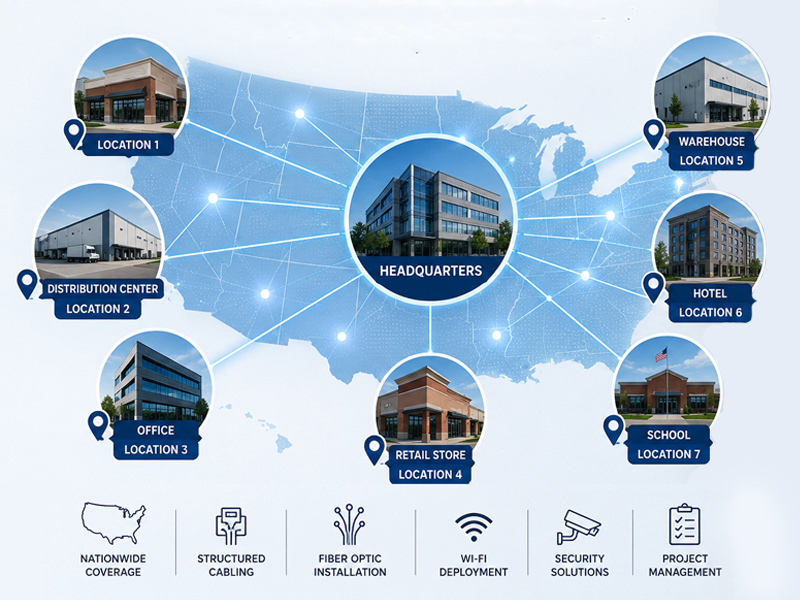
Expanding a business across multiple locations is an exciting milestone, but it also presents unique technology challenges. Whether you’re opening new retail stores, renovating office spaces, expanding warehouse operations, or upgrading hundreds of existing locations, your network infrastructure must be consistent, reliable, and ready to support daily operations from day one. A successful multi-location network…
Read MorePlanning a Fiber Optic Installation for Your Business: A Complete Guide
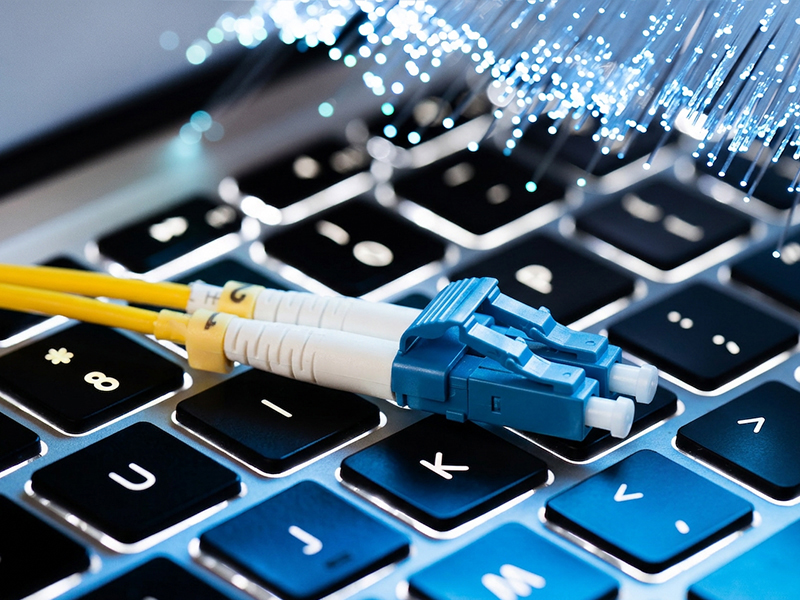
As businesses continue to rely on cloud applications, VoIP communications, security systems, and high-speed internet connectivity, network infrastructure has become more important than ever. Fiber optic cabling provides the speed, reliability, and scalability that modern organizations need to support today’s technology while preparing for future growth. Whether you’re constructing a new facility, expanding operations, or…
Read More