
School Network Wiring: Planning for Security, Connectivity, and Growth
Modern schools rely on network infrastructure for nearly every aspect of daily operations. From classroom computers and wireless devices to security cameras, access control systems, phones, administrative systems, and digital learning platforms, reliable connectivity is essential.
That makes school network wiring more than simply running cables from one location to another. A properly designed network cabling system needs to support today's technology while providing the capacity, organization, and flexibility needed for future growth.
When planning a school network wiring project, administrators and facility managers should consider three major priorities: security, connectivity, and growth.
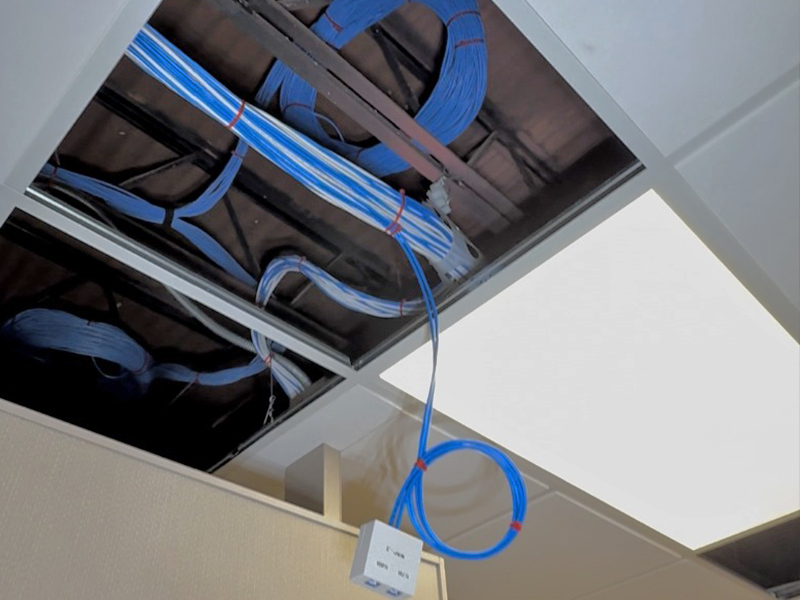
Why Proper Network Wiring Matters for Schools
Schools can have unique networking requirements because they often contain classrooms, administrative offices, libraries, cafeterias, gymnasiums, outdoor areas, security systems, and other facilities spread across a large campus.
A poorly designed cabling system can create connectivity problems, make troubleshooting more difficult, and limit the ability to add new technology.
Professional structured cabling can provide a more organized foundation for connecting:
- Computers and workstations
- Wireless access points
- Security cameras
- Access control systems
- VoIP phones
- Interactive classroom technology
- Servers and network equipment
- Printers and other network devices
- Building management systems
- Internet-connected equipment
The goal is to create a network infrastructure that is reliable, organized, secure, and capable of supporting the school's technology requirements.
Planning School Network Wiring for Security
Security should be considered from the beginning of a school network wiring project.
Schools may have extensive security infrastructure, including surveillance cameras, access control systems, emergency communication systems, and other connected devices. These systems depend on reliable network connectivity.
Network closets and equipment rooms should also be properly organized and secured. Access to networking equipment should be restricted to authorized personnel, while cabling should be clearly labeled and organized to simplify maintenance.
Professional network wiring can also help separate different types of network traffic and equipment through appropriate network design and infrastructure planning.
For example, a school may need to support administrative systems, student devices, security equipment, guest WiFi, and other connected technologies. Proper network architecture can help IT teams manage these different requirements.
Designing for Reliable School Connectivity
Students, teachers, administrators, and staff increasingly depend on wireless and wired network connections throughout the school day.
A school network wiring project should therefore account for where connectivity is needed rather than simply where it is convenient to install cable.
Wireless access points are an important consideration. Each access point requires an appropriate network connection, and the cabling infrastructure needs to support the performance requirements of the wireless network.
Network wiring may be needed throughout:
- Classrooms
- Computer labs
- Libraries
- Administrative offices
- Teacher work areas
- Cafeterias
- Gymnasiums
- Auditoriums
- Security locations
- Outdoor learning areas
- Network and equipment rooms
A professional site assessment can help identify where network connections and wireless access points should be located.
Choosing the Right Cabling for a School
Selecting the appropriate cabling is another important part of planning a school network.
Cat5e, Cat6, and Cat6A are examples of copper network cabling commonly used in commercial environments. The appropriate solution depends on the school's current network requirements, expected data usage, equipment, building layout, and future plans.
For larger campuses or connections between buildings, fiber optic cabling may also be appropriate.
Fiber can provide high-bandwidth connections between network rooms or buildings and can support longer distances than standard copper Ethernet cabling.
The important consideration is not simply selecting the newest cable available. The cabling infrastructure should be designed around the school's actual requirements and anticipated technology needs.
Planning Network Wiring for Future Growth
Schools are constantly adopting new technologies. A network designed only around today's equipment can become difficult to expand as technology requirements change.
When planning school network wiring, it is important to think about what the campus may need several years from now.
Future requirements could include:
- Additional classrooms
- More wireless access points
- Additional security cameras
- Increased student device usage
- New administrative technology
- Expanded VoIP systems
- Building additions
- Additional network closets
- Higher network speeds
- Additional connected building systems
Installing additional infrastructure and designing sufficient capacity during an initial project can make future expansions easier.
A well-planned structured cabling system can also make it easier to identify available connections and determine where additional equipment can be installed.
Why Network Closet Organization Matters
Network closets are often the central connection point for large portions of a school.
Without proper organization, a network closet can quickly become difficult to maintain. Unlabeled cables, tangled patch cords, poorly positioned equipment, and inadequate cable management can make troubleshooting unnecessarily difficult.
Professional network closet design can include:
- Proper cable management
- Clearly labeled connections
- Organized patch panels
- Appropriate rack equipment
- Proper cable routing
- Separation of equipment where appropriate
- Documentation of network connections
A clean, organized network closet makes it easier for IT personnel and technicians to identify connections, troubleshoot problems, and make future changes.
Testing and Certifying School Network Cabling
New network cabling should be tested after installation to verify that individual cable runs meet the required performance specifications.
Professional cable certification testing can identify problems such as incorrect wiring, termination issues, excessive signal loss, and other performance concerns.
Testing is particularly important for schools because network problems can affect large numbers of users simultaneously.
Horizon Electronics can test commercial network cabling to help verify that installed infrastructure is performing properly.
Testing existing cabling can also be useful before a school undertakes a major network upgrade. Older cabling may not provide the performance required by newer network equipment.
Planning for Campus-Wide Connectivity
Larger schools and school districts may have multiple buildings that need to communicate with one another.
In these environments, network planning may involve fiber backbones, structured cabling, network closets, wireless infrastructure, and connections between buildings.
A campus-wide approach can help ensure that each building is considered as part of the overall network rather than being treated as an isolated installation.
For school districts with multiple campuses, consistent cabling standards and documentation can also simplify future maintenance and expansion.
Minimizing Disruption During School Network Installation
School network projects require careful planning because installation may take place while classrooms and administrative areas are still being used.
Project planning should consider school schedules, access requirements, testing, construction limitations, and coordination with school administrators and IT personnel.
Depending on the project, installations may be scheduled during evenings, weekends, holidays, or school breaks to reduce disruption.
A professional contractor can coordinate installation activities and help establish a project plan that accounts for the school's operating environment.
Horizon Electronics Plans for Security, Connectivity, and Growth
Horizon Electronics understands that school network wiring needs to support much more than basic internet access.
Horizon Electronics plans for security, connectivity, and growth when designing and installing network infrastructure for business and institutional environments.
Our approach can include structured cabling, network infrastructure, fiber optic installation, WiFi infrastructure, cable testing, and other technology services needed to create a reliable foundation for connected facilities.
Whether a school is constructing a new building, renovating an existing campus, upgrading outdated cabling, or expanding its network, proper planning can help ensure the infrastructure is ready for both current and future technology requirements.
Building a Network Infrastructure That Can Grow With Your School
A school network wiring project should be viewed as a long-term infrastructure investment rather than simply a collection of cables.
Security, connectivity, organization, performance, and future expansion should all be considered during the planning process.
By selecting appropriate cabling, organizing network closets, testing installations, planning wireless connectivity, and allowing room for future expansion, schools can create a network infrastructure capable of supporting their technology needs for years to come.
For schools and districts planning a new installation or network upgrade, working with an experienced commercial network cabling contractor can help ensure that the physical infrastructure is designed around the school's technology goals.
If you would like a quote for an upcoming job,
please click the "Request Quote" button below.
Nationwide Coverage
