
Why Modern Businesses Should Replace Aging Network Cabling
Your business network is only as strong as the infrastructure supporting it. While many organizations focus on upgrading computers, servers, cloud applications, and networking equipment, one critical component is often overlooked—the network cabling hidden behind walls, above ceilings, and throughout the building.
Aging network cabling can become a significant bottleneck as technology evolves. Slower network speeds, unreliable connections, increased downtime, and limited scalability are just a few of the issues businesses face when relying on outdated infrastructure. Replacing aging network cabling is an investment that improves performance, supports future growth, and enhances the overall reliability of your IT environment.
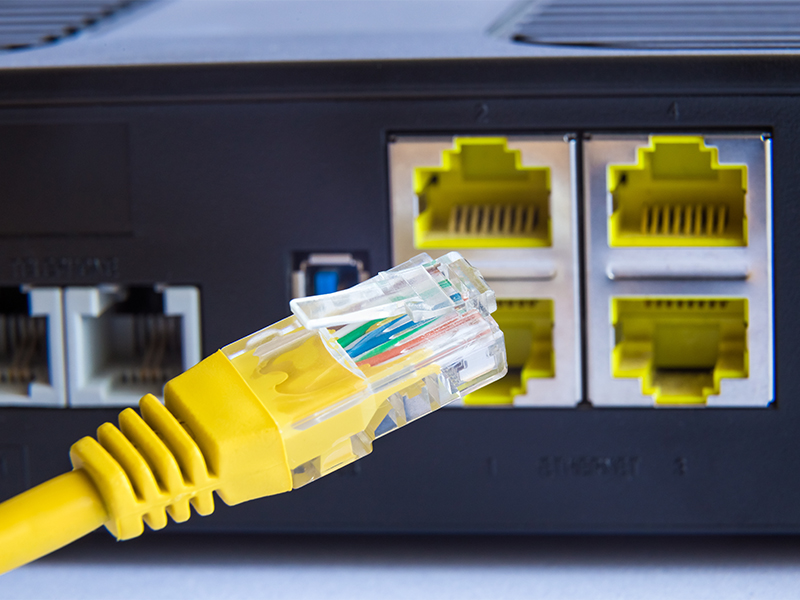
Why Network Cabling Matters
Structured cabling serves as the foundation of every business network. It connects computers, servers, wireless access points, security cameras, VoIP phone systems, printers, access control systems, and countless other connected devices.
Even the most advanced networking equipment cannot perform at its best if the underlying cabling is outdated or deteriorating. Modern applications require greater bandwidth, lower latency, and dependable connectivity, making high-quality cabling more important than ever.
Signs Your Network Cabling Is Becoming Outdated
Many businesses continue using network cabling that was installed 15 to 25 years ago. While it may still function, older infrastructure often struggles to support today's technology demands.
Common signs that your cabling may need replacement include:
- Slow network performance
- Frequent connection interruptions
- Unexplained packet loss
- Difficulty supporting faster internet speeds
- Network congestion during busy periods
- Aging Cat5 or early Cat5e installations
- Insufficient bandwidth for cloud applications
- Poor WiFi performance caused by outdated wired infrastructure
- Increasing maintenance and troubleshooting costs
If your IT team is regularly troubleshooting connectivity issues, the cabling itself may be contributing to the problem.
Modern Applications Demand More Bandwidth
Today's businesses rely on far more connected devices than they did just a decade ago.
Modern workplaces commonly use:
- Cloud-based software
- Microsoft 365 and Google Workspace
- Video conferencing platforms
- Voice over IP (VoIP) phone systems
- Security cameras
- Wireless access points
- Smart building systems
- Internet of Things (IoT) devices
- Automated equipment
Each of these technologies places additional demands on your network infrastructure. Older cabling may not have the capacity to support current and future bandwidth requirements efficiently.
Improve Network Reliability
Unreliable network connections affect productivity across an entire organization.
Employees may experience:
- Slow file transfers
- Dropped VoIP calls
- Interrupted video meetings
- Delayed application performance
- Lost connections to critical business systems
Replacing aging cabling creates a more stable network that reduces downtime and improves the user experience for employees, customers, and visitors alike.
Prepare for Faster Network Speeds
Internet service providers continue offering faster business internet connections, while networking equipment now supports multi-gigabit speeds.
However, outdated network cabling may prevent businesses from taking full advantage of these improvements.
Upgrading to modern structured cabling helps support:
- Gigabit Ethernet
- Multi-gigabit networking
- High-performance WiFi
- Fiber optic backbones
- Future technology upgrades
Installing newer cabling today helps ensure your network is ready for tomorrow's performance requirements.
Support Better WiFi Performance
Many businesses assume WiFi problems are caused solely by wireless equipment.
In reality, every wireless access point depends on a wired network connection. If that cabling is outdated or unable to deliver sufficient bandwidth, wireless performance suffers.
Replacing aging network cabling helps improve:
- Wireless coverage
- Access point performance
- Device capacity
- Roaming between access points
- Overall network responsiveness
Strong wireless networks begin with strong wired infrastructure.
Reduce Maintenance Costs
Older network cabling often requires ongoing troubleshooting and repairs.
Over time, businesses may spend significant resources diagnosing intermittent issues caused by:
- Damaged cable jackets
- Loose connections
- Worn patch panels
- Poor labeling
- Improper cable management
- Aging termination points
Replacing outdated infrastructure reduces recurring maintenance costs while giving IT teams more time to focus on strategic initiatives rather than constant repairs.
Improve Scalability for Future Growth
Technology rarely stands still.
As businesses expand, they often add:
- Additional employees
- More wireless devices
- Security systems
- Network printers
- Access control systems
- Cloud applications
- Smart building technologies
Modern structured cabling provides the flexibility needed to support these future expansions without requiring a complete network redesign.
Planning for growth today can save significant time and expense in the future.
Enhance Organization and Documentation
Many older network installations suffer from years of changes without proper documentation.
Businesses frequently encounter:
- Unlabeled cables
- Tangled network closets
- Disorganized patch panels
- Unknown cable routes
- Poor cable management
A professionally installed structured cabling system includes organized cable routing, proper labeling, and detailed documentation that simplifies maintenance, troubleshooting, and future upgrades.
Well-organized network closets also improve airflow, accessibility, and overall equipment reliability.
Increase Business Continuity
Reliable connectivity is essential for maintaining daily operations.
When network infrastructure fails, the consequences may include:
- Lost productivity
- Interrupted customer service
- Delayed shipments
- Missed sales opportunities
- Downtime for critical applications
Replacing aging cabling helps reduce the likelihood of unexpected failures while supporting business continuity and disaster recovery planning.
Choosing the Right Cabling Solution
Every business has unique networking requirements.
Depending on your environment, an upgrade may include:
- Cat6 cabling
- Cat6A cabling
- Fiber optic backbone installation
- New patch panels
- Rack upgrades
- Cable management improvements
- Network closet cleanup
- Cable testing and certification
Working with an experienced structured cabling contractor helps ensure the new infrastructure is designed to support both current operations and future growth.
Why Businesses Choose Horizon Electronics
Replacing aging network cabling requires careful planning, experienced technicians, and a commitment to quality. Horizon Electronics specializes in replacing aging network cabling for businesses across a wide range of industries, including offices, warehouses, manufacturing facilities, retail stores, healthcare organizations, educational institutions, hotels, and multi-location enterprises.
Their team evaluates existing infrastructure, identifies performance limitations, and recommends modern structured cabling solutions that improve reliability, speed, and scalability. From Cat6 and Cat6A installations to fiber optic cabling, network closet organization, cable testing, and certification, Horizon Electronics delivers complete infrastructure upgrades designed to meet today's technology demands while preparing businesses for future growth.
Whether your organization is renovating an existing facility, expanding operations, or replacing outdated cabling that no longer supports your network, Horizon Electronics provides professional installation services that minimize disruption and maximize long-term performance.
Conclusion
Outdated network cabling may be hidden from view, but its impact on your business is impossible to ignore. As organizations continue adopting cloud technologies, wireless devices, automation, and data-intensive applications, reliable infrastructure becomes increasingly important.
Replacing aging network cabling improves network performance, reduces downtime, supports faster speeds, lowers maintenance costs, and positions your business for future growth. Rather than waiting for ongoing connectivity problems to affect productivity, businesses should take a proactive approach to upgrading their network infrastructure.
If your organization is experiencing network performance issues or planning for future expansion, Horizon Electronics can help. With extensive experience replacing aging network cabling, designing structured cabling systems, and deploying scalable commercial network infrastructure, Horizon Electronics delivers dependable solutions that keep businesses connected today and ready for tomorrow.
If you would like a quote for an upcoming job,
please click the "Request Quote" button below.
Nationwide Coverage
