
Planning a Fiber Optic Installation for Your Business: A Complete Guide
As businesses continue to rely on cloud applications, VoIP communications, security systems, and high-speed internet connectivity, network infrastructure has become more important than ever. Fiber optic cabling provides the speed, reliability, and scalability that modern organizations need to support today's technology while preparing for future growth.
Whether you're constructing a new facility, expanding operations, or upgrading an aging network, careful planning is essential for a successful fiber optic installation. Understanding the process can help minimize downtime, control costs, and ensure your investment supports your business for years to come.
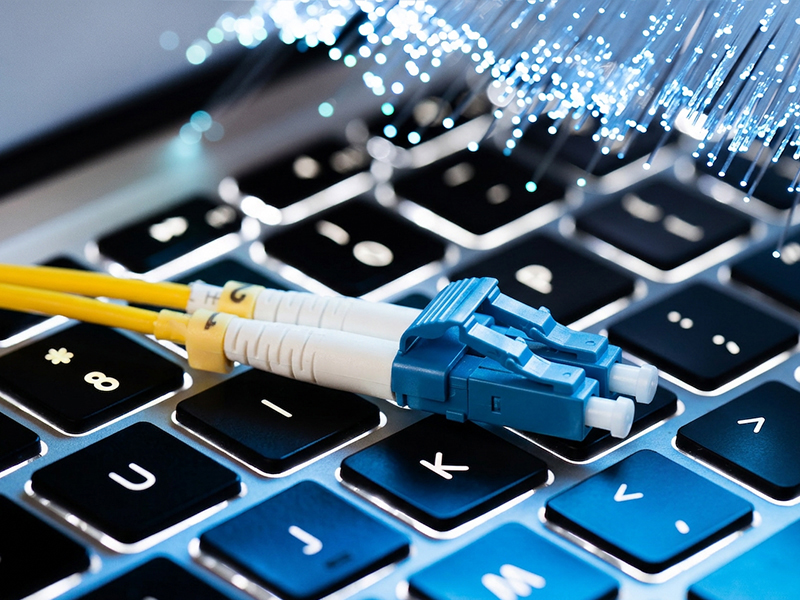
Why Businesses Are Choosing Fiber Optic Cabling
Unlike traditional copper cabling, fiber optic cable transmits data using pulses of light rather than electrical signals. This allows significantly higher bandwidth, faster transmission speeds, and longer cable runs with minimal signal loss.
Fiber optic infrastructure is commonly used for:
- Office buildings
- Warehouses and distribution centers
- Manufacturing facilities
- Retail chains
- Hotels
- Healthcare facilities
- Schools and universities
- Data centers
- Multi-building campuses
As businesses continue adopting cloud computing, IoT devices, surveillance cameras, and wireless technologies, fiber provides the performance needed to support increasing network demands.
Determine Your Business Needs
Before installation begins, it's important to evaluate both your current and future networking requirements.
Consider questions such as:
- How many users will connect to the network?
- Will the business continue to grow?
- Are multiple buildings being connected?
- Will security cameras, access control, or VoIP systems be added?
- Is high-speed wireless coverage required throughout the facility?
- Will redundant fiber paths be needed for business continuity?
Planning for future expansion during the initial installation is often more cost-effective than upgrading the infrastructure later.
Choose the Right Fiber Optic Cable
Not every fiber installation is the same. Selecting the appropriate cable depends on the environment and application.
Single-Mode Fiber
Single-mode fiber is designed for long-distance communication and high-bandwidth applications. It is commonly used for:
- Campus networks
- Connecting multiple buildings
- Internet service provider connections
- Long backbone runs
- Data centers
Multi-Mode Fiber
Multi-mode fiber is ideal for shorter distances inside commercial buildings and offers excellent performance for:
- Server rooms
- Network closets
- Office buildings
- Manufacturing facilities
- Equipment interconnections
An experienced fiber optic contractor can recommend the best solution based on your business requirements.
Plan the Cable Pathways
Proper pathway planning is one of the most important parts of any fiber optic installation.
Installers must evaluate:
- Cable tray systems
- Conduit routing
- Underground pathways
- Overhead cable routes
- Equipment room locations
- Network closets
- Telecommunications rooms
Careful routing protects fiber cables from physical damage while making future maintenance and upgrades easier.
Prepare Your Network Equipment
Installing fiber optic cable is only part of the project. Businesses should also ensure their networking equipment supports fiber connectivity.
Equipment may include:
- Core network switches
- Fiber patch panels
- Optical transceivers
- Routers
- Firewalls
- Server equipment
- Fiber distribution panels
Proper planning ensures compatibility between the new fiber infrastructure and existing network hardware.
Schedule Installation to Minimize Downtime
Many commercial fiber projects can be completed while minimizing disruption to daily operations.
Professional contractors often schedule work during:
- Evenings
- Weekends
- Planned maintenance windows
- Facility shutdowns
For businesses with critical operations, phased installations allow portions of the network to remain operational while upgrades are completed.
Test and Certify the Installation
Once installation is complete, every fiber connection should be thoroughly tested.
Professional testing verifies:
- Signal loss
- Cable integrity
- Connector quality
- Overall network performance
Certification provides documented proof that the cabling meets industry standards and performs as designed.
Proper testing helps identify potential issues before they impact business operations.
Plan for Future Growth
One of fiber optic cabling's biggest advantages is scalability.
During installation, many businesses choose to install additional fiber strands beyond their immediate needs. This allows future expansion without reopening ceilings, trenching additional conduit, or disrupting operations.
Planning ahead can simplify future projects such as:
- Office expansions
- Warehouse additions
- New security systems
- Additional wireless access points
- New production equipment
- Higher internet speeds
A future-ready network protects your investment while reducing long-term infrastructure costs.
Work with an Experienced Fiber Optic Installation Company
Fiber optic installation requires specialized knowledge, precision, and testing equipment. Choosing an experienced contractor helps ensure the network performs reliably from day one.
An experienced installation partner understands:
- Commercial building requirements
- Industry cabling standards
- Proper cable management
- Fiber termination techniques
- Network design best practices
- Testing and certification procedures
Professional installation also helps reduce troubleshooting issues that can occur with improperly installed fiber infrastructure.
Why Businesses Choose Horizon Electronics
Horizon Electronics provides professional fiber optic installation services for businesses across a wide range of industries. From office buildings and warehouses to manufacturing facilities, retail locations, healthcare organizations, and multi-site enterprises, Horizon Electronics designs and installs fiber optic networks that deliver dependable, high-speed connectivity.
Their experienced technicians handle every stage of the project, including planning, installation, testing, certification, and documentation. Whether your business requires a new fiber backbone, building-to-building connectivity, data center cabling, or a nationwide network rollout, Horizon Electronics delivers reliable solutions tailored to your operational needs.
With extensive experience in structured cabling, network infrastructure, and commercial technology deployments, Horizon Electronics helps businesses build scalable networks designed to support future growth.
Conclusion
A successful fiber optic installation begins with careful planning. By evaluating your business requirements, selecting the appropriate fiber solution, designing efficient cable pathways, and working with an experienced installation partner, your organization can build a network that delivers exceptional performance for years to come.
As technology continues to evolve, fiber optic infrastructure provides the speed, reliability, and scalability businesses need to stay competitive. Whether you're upgrading an existing network or building a new commercial facility, investing in professionally installed fiber optic cabling is a smart decision that supports both current operations and future expansion.
If your business is planning a fiber optic installation, Horizon Electronics has the expertise to design, install, test, and certify a dependable network infrastructure that keeps your organization connected today and prepared for tomorrow.
If you would like a quote for an upcoming job,
please click the "Request Quote" button below.
Nationwide Coverage
