
Why Plenum-Rated Cable Matters: Safety, Compliance, and Insurance Requirements
When it comes to network cabling, not all cables are created equal. One of the most important—yet often overlooked—decisions in a low-voltage installation is whether to use plenum-rated cable. Choosing the right cable type isn’t just a technical detail; it directly impacts building safety, code compliance, and even insurance coverage.
What Is Plenum-Rated Cable?
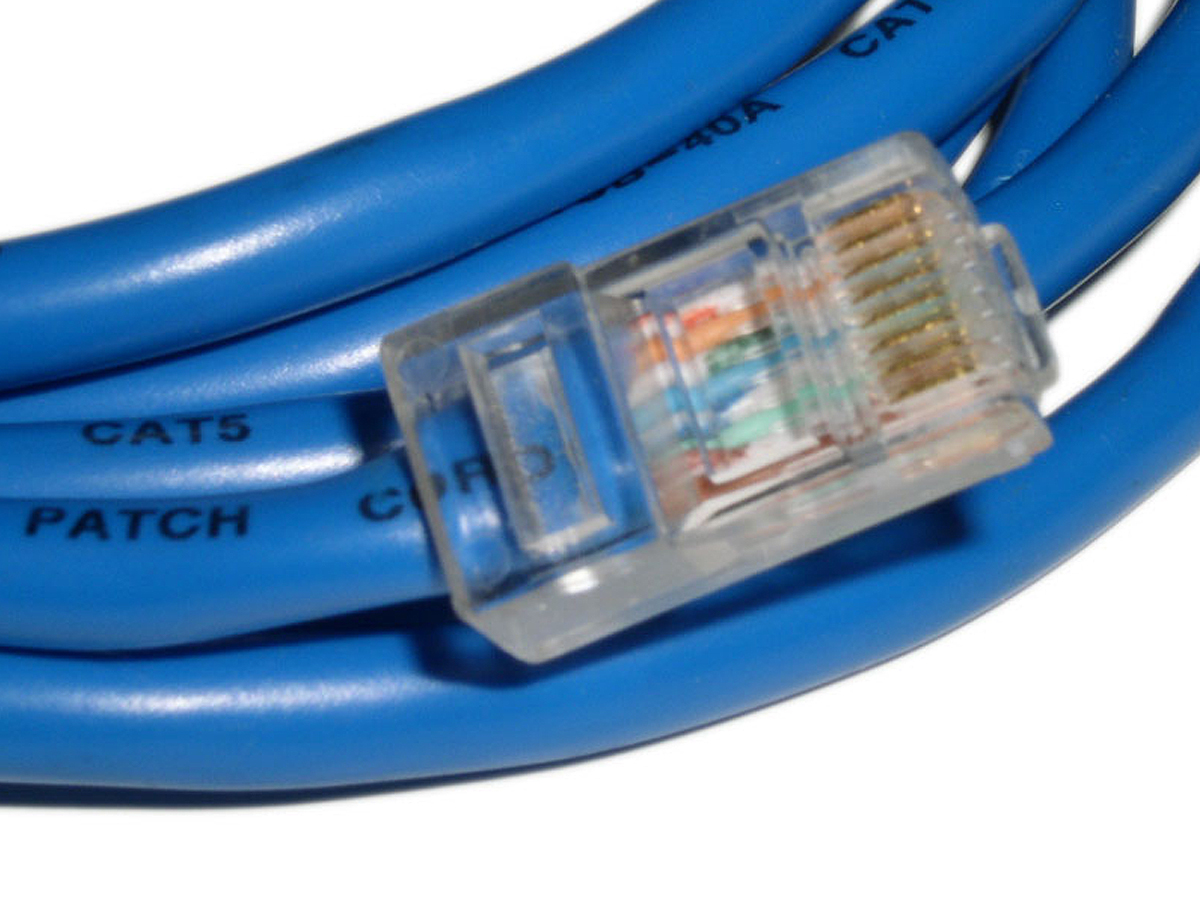
Plenum-rated cable is designed for use in plenum spaces—areas such as drop ceilings or raised floors that are used for air circulation in HVAC systems. These cables are jacketed with special low-smoke, flame-retardant materials that emit minimal toxic fumes when exposed to fire. This makes them significantly safer than standard riser or PVC-jacketed cables in the event of an emergency.
Safety Comes First
In a fire, traditional cabling can release dense smoke and harmful gases that spread rapidly through air-handling spaces. Plenum-rated cable helps reduce this risk, protecting occupants and first responders while limiting damage to critical infrastructure. For businesses, this added layer of safety can be invaluable.
Meeting Code and Compliance Requirements
Most local building codes and National Electrical Code (NEC) standards require plenum-rated cable in air-return spaces. Failing to comply can result in failed inspections, costly rework, and project delays. Using the correct cabling from the start ensures your network infrastructure meets regulatory requirements without surprises.
Insurance and Liability Considerations
Insurance providers may deny claims or raise premiums if non-compliant cabling contributes to fire damage. Proper installation of plenum-rated cable helps demonstrate due diligence and risk mitigation, protecting your organization from unnecessary financial exposure.
Professional Installation Matters
Selecting and installing plenum-rated cable correctly requires experience and attention to detail. Horizon Electronics provides professional low-voltage wiring services, ensuring that every installation meets safety standards, passes inspections, and supports long-term network performance. With expert planning and execution, businesses can build reliable, compliant infrastructure with confidence.
If you would like a quote for an upcoming job,
please click the "Request Quote" button below.
Nationwide Coverage
