
The Hidden Role of Shielded Cabling in Noisy Environments: When to Use STP vs. UTP
Modern networks depend on more than speed and bandwidth. In many commercial and industrial settings, electrical interference can quietly degrade performance. Understanding when to use Shielded Twisted Pair (STP) versus Unshielded Twisted Pair (UTP) cabling is essential for maintaining reliable connectivity.
Understanding Electrical Noise and EMI
Electromagnetic interference (EMI) is generated by power lines, motors, HVAC systems, lighting ballasts, and heavy machinery. When data cabling runs near these sources, signal quality can suffer. Symptoms include dropped connections, slow network speeds, VoIP call issues, and unreliable video streaming.
When UTP Cabling Is Enough
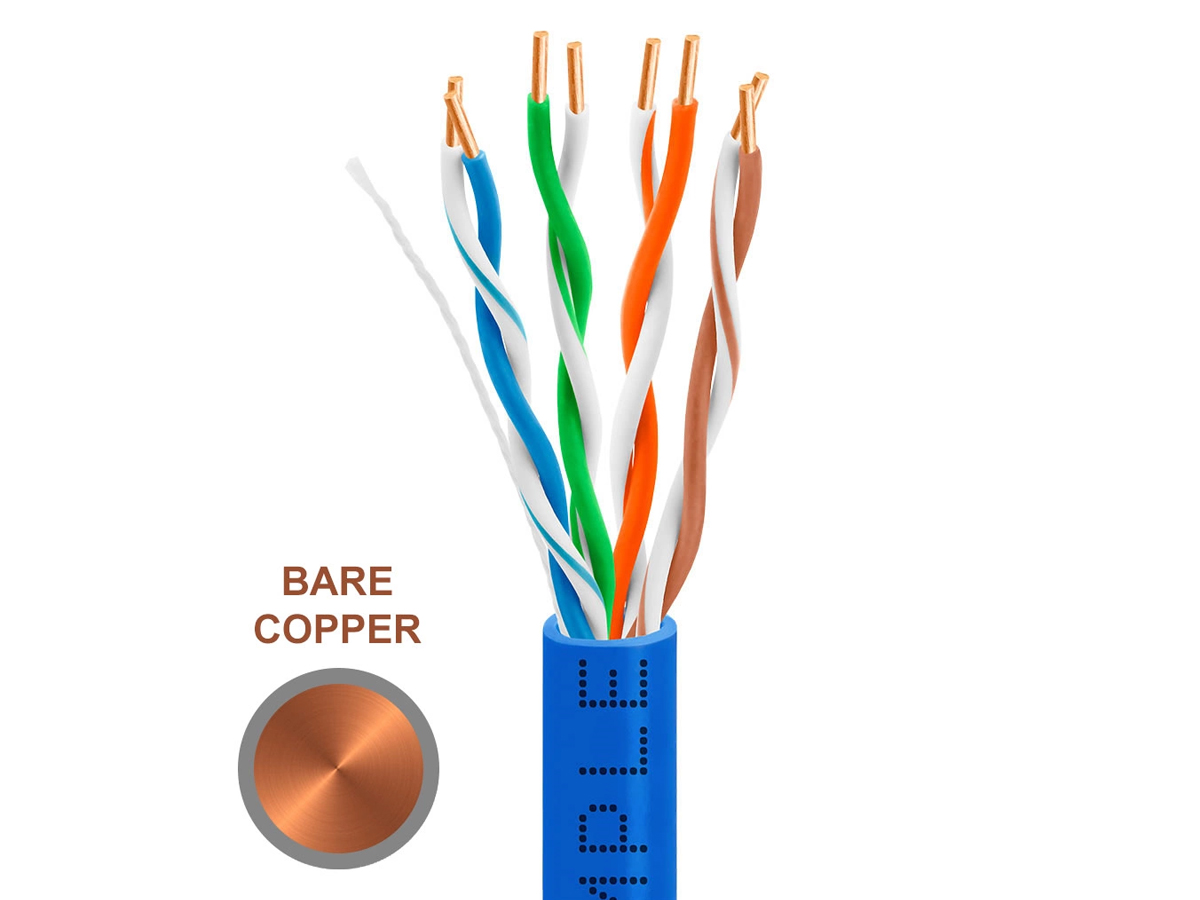
UTP cabling is widely used in standard office environments where electrical noise is minimal. It is flexible, cost-effective, and easy to install, making it ideal for typical workspaces, conference rooms, and low-interference areas. In these conditions, UTP delivers excellent performance without added complexity.
Why STP Cabling Matters in High-Noise Environments
STP cabling includes a protective shield around the twisted pairs to block EMI. This shielding makes it the preferred choice for warehouses, manufacturing floors, healthcare facilities, data centers, and buildings with dense electrical infrastructure. Proper grounding is critical, but when installed correctly, STP significantly improves signal integrity and network stability.
Choosing the Right Cabling with Horizon Electronics
At Horizon Electronics, we provide professional low-voltage wiring services designed to match the environment, not just the specification. Our team evaluates interference risks, cable pathways, and grounding requirements to ensure your network performs reliably today and into the future.
Choosing between STP and UTP isn’t just a technical decision—it’s an investment in long-term network performance.
If you would like a quote for an upcoming job,
please click the "Request Quote" button below.
Nationwide Coverage
