
Networking
Future-Proofing Your Network Cabling for 10G, 40G, and Beyond

Network demands are growing rapidly as businesses adopt cloud platforms, high-definition video conferencing, security systems, and data-heavy applications. While your current infrastructure may support today’s bandwidth needs, planning for 10G, 40G, and beyond ensures your network can handle tomorrow’s growth without costly re-cabling. Future-proofing starts with strategic cabling design. Choosing the Right Cabling Infrastructure For…
Read MoreThe Hidden Risks of Mixing Copper and Fiber Cabling in Shared Pathways
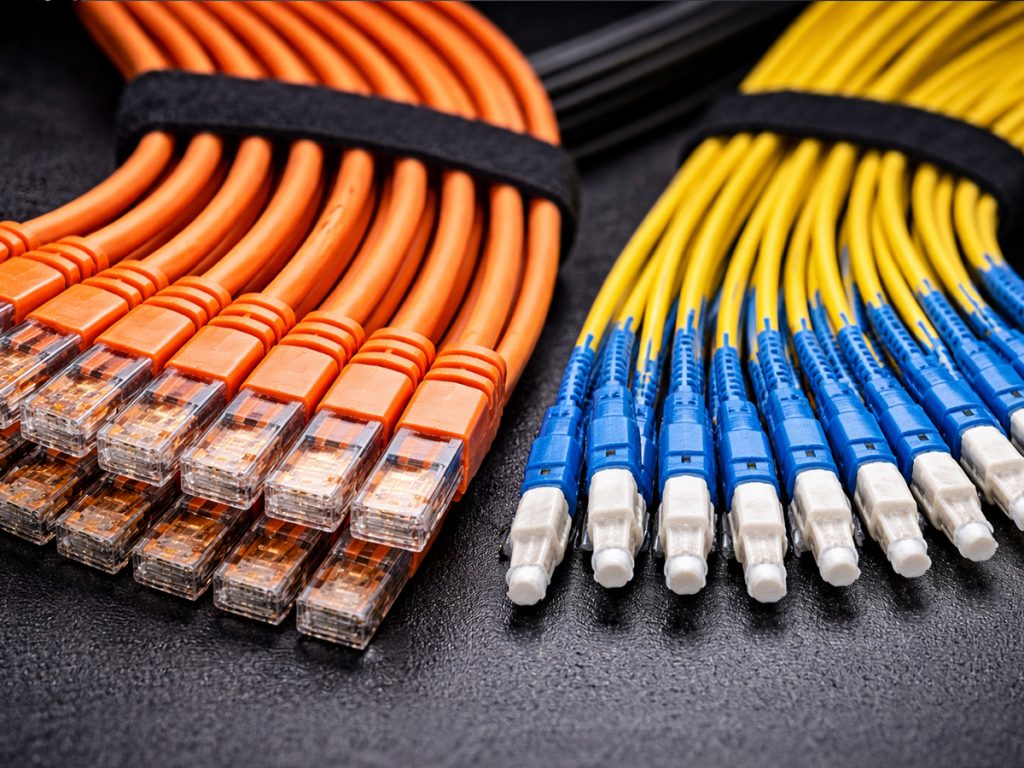
Modern networks often rely on both copper and fiber cabling to support data, voice, security, and wireless systems. While combining these technologies is common, running copper and fiber in the same pathway without proper planning can introduce hidden risks that impact performance, safety, and long-term reliability. Understanding these risks helps ensure your infrastructure remains stable…
Read MoreWhy Patch Panel Organization Impacts Network Performance and Scalability
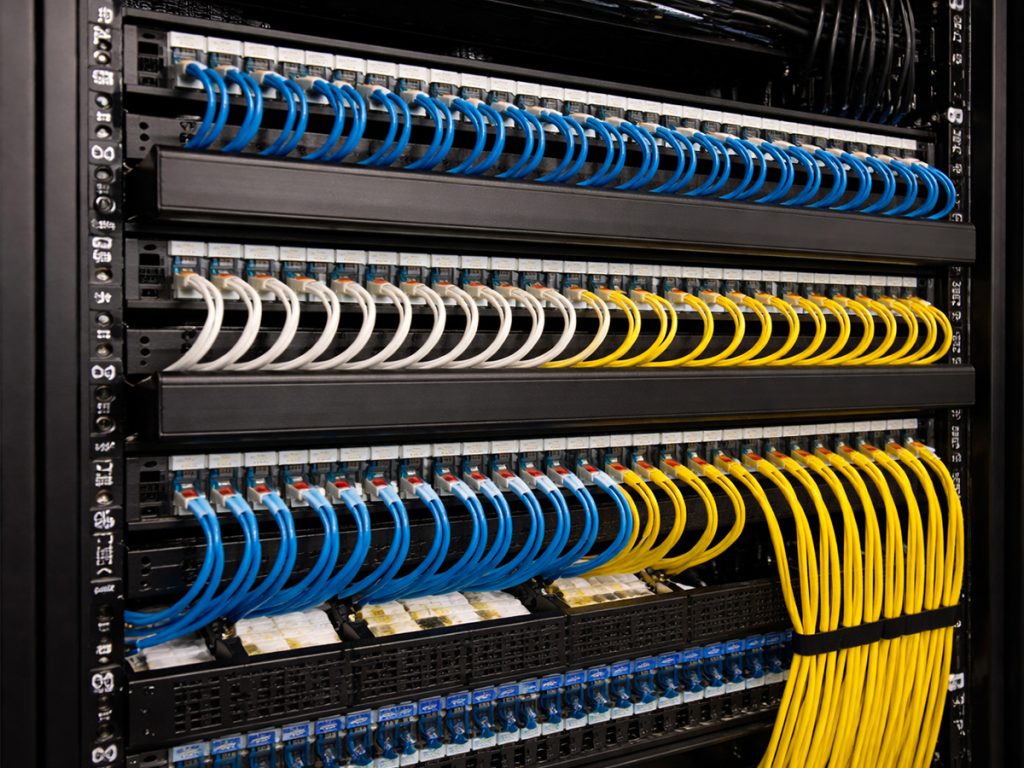
When it comes to network infrastructure, performance isn’t just about cable type or bandwidth capacity. One of the most overlooked factors is patch panel organization. A clean, structured patch panel directly impacts reliability, troubleshooting speed, airflow, and long-term scalability. Disorganized cabling may not cause immediate failure, but over time it increases signal interference risk, accidental…
Read MorePreparing Your Network Infrastructure for Office Moves, Adds, and Changes (MACs)
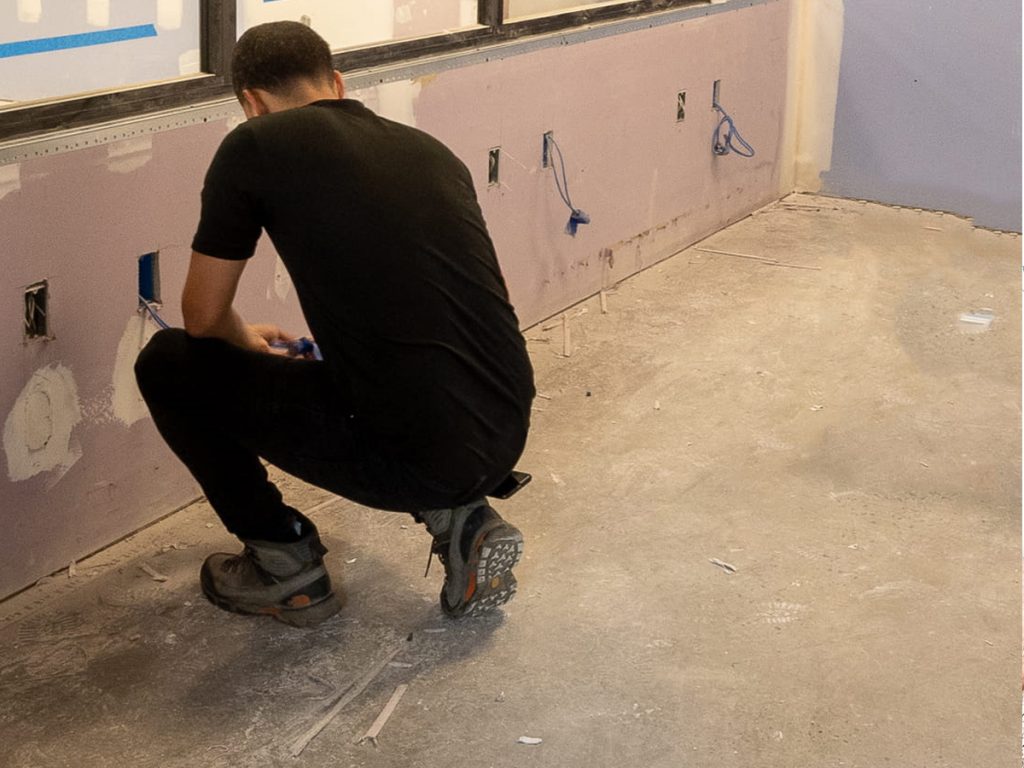
Office environments are constantly evolving. Whether you’re relocating employees, adding new workstations, or reconfiguring departments, Moves, Adds, and Changes (MACs) can place unexpected demands on your network infrastructure. Without proper planning, even minor adjustments can lead to downtime, performance issues, and unnecessary expenses. Design a Scalable Cabling Infrastructure A network built with scalability in mind…
Read MoreOutdoor-Rated vs. Indoor Cable: Choosing the Right Cabling for Exterior Network Runs

When planning a network installation, choosing the correct cabling is just as important as the equipment it connects. One common mistake businesses make is using indoor-rated cable for exterior network runs. Understanding the differences between outdoor-rated and indoor cable can help prevent performance issues, safety risks, and costly replacements. What’s the Difference Between Indoor and…
Read MoreThe Impact of Poor Cable Labeling on Network Downtime and Troubleshooting

In today’s always-connected business environment, network reliability is critical. One often-overlooked factor that plays a major role in uptime and efficiency is proper cable labeling. When network cables are poorly labeled—or not labeled at all—organizations can experience longer outages, higher labor costs, and increased risk during troubleshooting. How Poor Cable Labeling Causes Network Downtime Unlabeled…
Read MoreGrounding and Bonding in Network Cabling: Why Electrical Safety Starts at the Rack
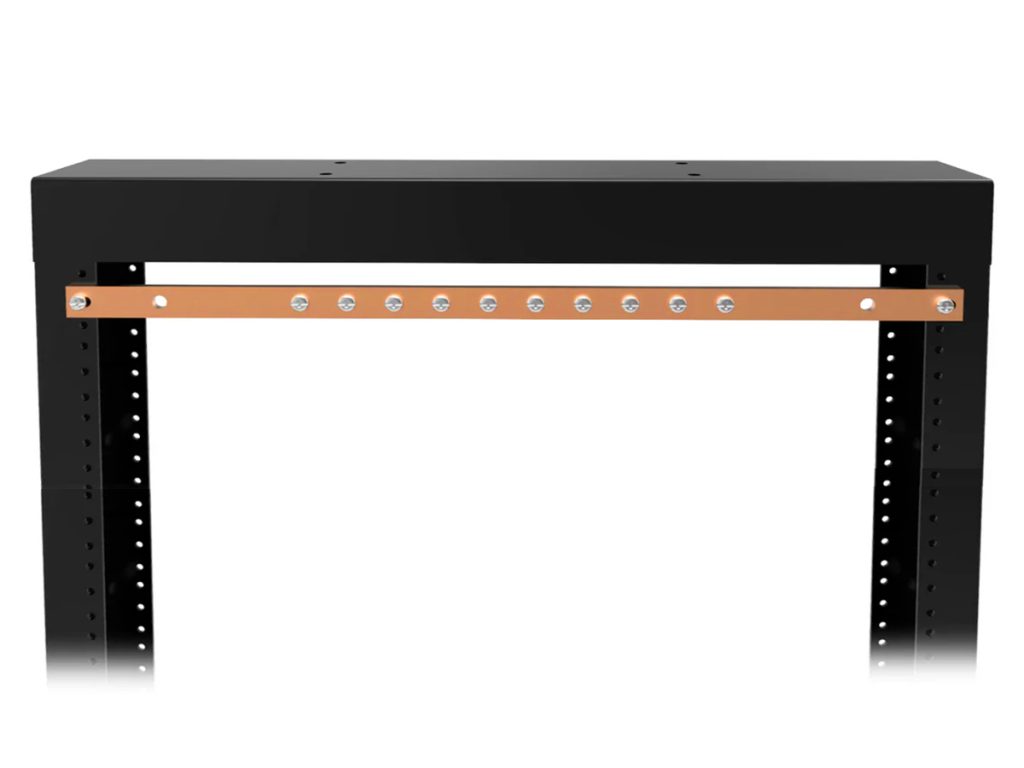
When designing or upgrading a network infrastructure, grounding and bonding are often overlooked—but they are critical to both electrical safety and network performance. Proper grounding and bonding protect sensitive equipment, reduce downtime, and ensure compliance with electrical and telecommunications standards. In modern IT environments, electrical safety truly starts at the rack. What Is Grounding and…
Read MoreWhy Plenum-Rated Cable Matters: Safety, Compliance, and Insurance Requirements

When it comes to network cabling, not all cables are created equal. One of the most important—yet often overlooked—decisions in a low-voltage installation is whether to use plenum-rated cable. Choosing the right cable type isn’t just a technical detail; it directly impacts building safety, code compliance, and even insurance coverage. What Is Plenum-Rated Cable? Plenum-rated…
Read MoreThe Hidden Role of Shielded Cabling in Noisy Environments: When to Use STP vs. UTP
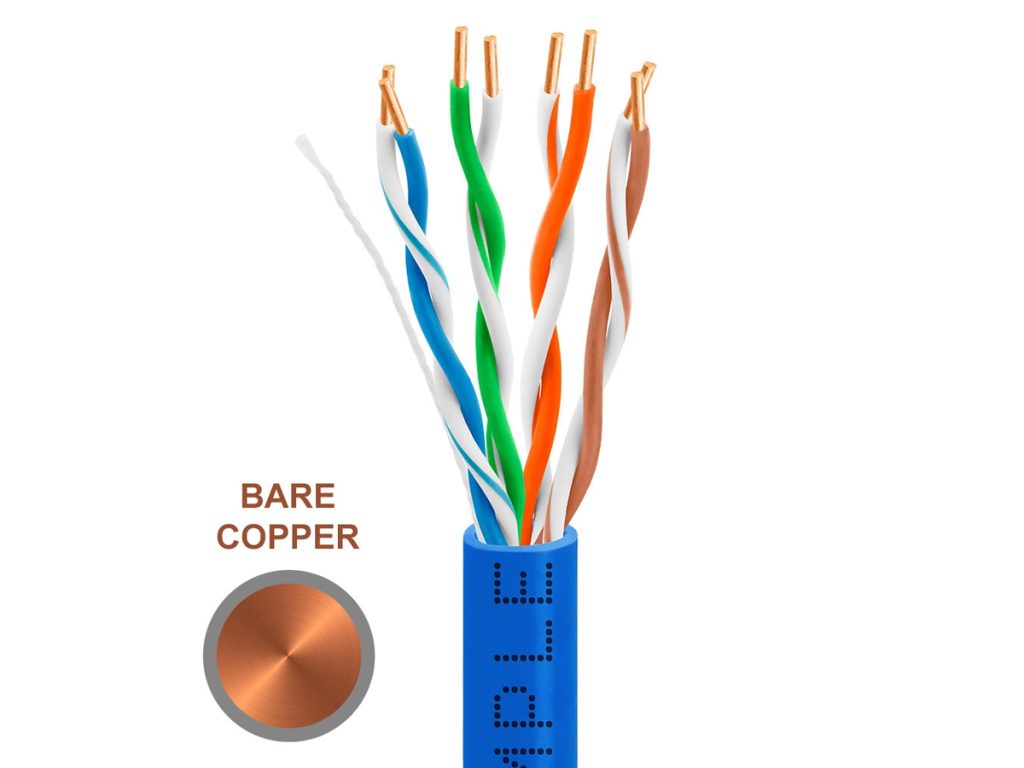
Modern networks depend on more than speed and bandwidth. In many commercial and industrial settings, electrical interference can quietly degrade performance. Understanding when to use Shielded Twisted Pair (STP) versus Unshielded Twisted Pair (UTP) cabling is essential for maintaining reliable connectivity. Understanding Electrical Noise and EMI Electromagnetic interference (EMI) is generated by power lines, motors,…
Read MoreDesigning Future-Ready IDF Closets: Cabling Layouts, Power Needs, and Climate Control
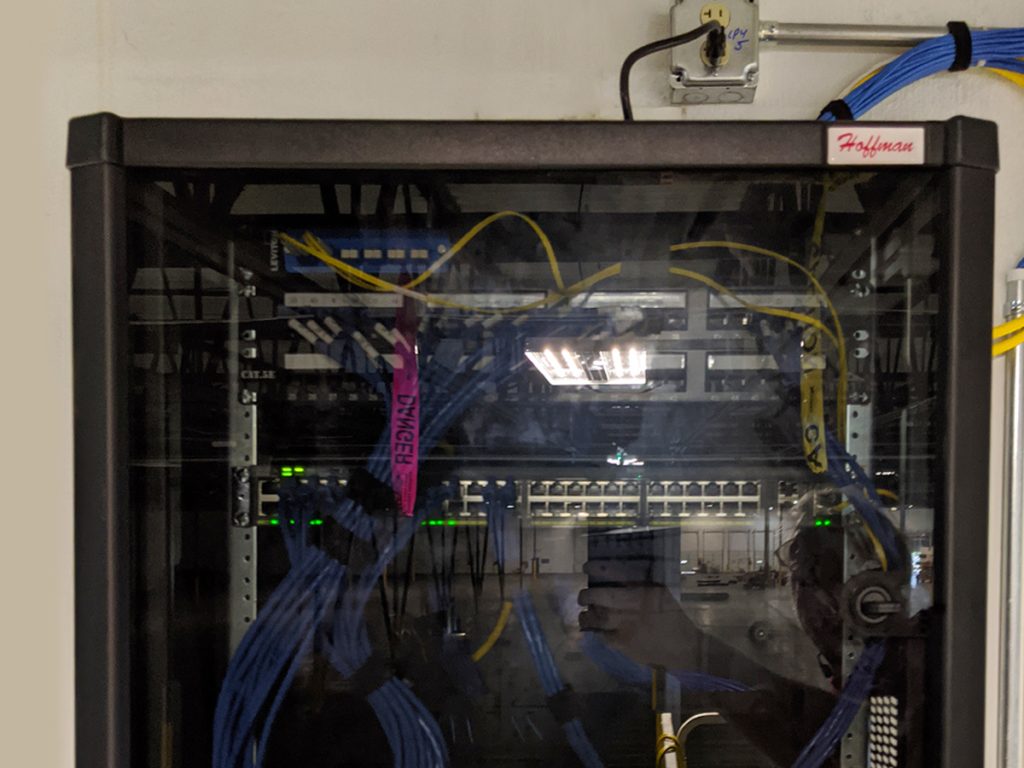
A modern network depends on more than just fast switches and quality cabling—it requires a well-designed Intermediate Distribution Frame (IDF) closet capable of supporting today’s demands and tomorrow’s growth. As organizations upgrade infrastructure, expand their digital footprint, or adopt cloud and edge technologies, building a future-ready IDF becomes essential. Proper planning around cabling, power, and…
Read More