
Commercial Structured Cabling: Everything Facility Managers Need to Know
As commercial buildings become increasingly dependent on connected technology, structured cabling has become one of the most important investments a facility manager can make. Every business relies on a dependable network infrastructure to support computers, WiFi, security systems, VoIP phones, access control, audiovisual equipment, and countless other connected devices.
When structured cabling is properly designed and installed, it creates a reliable foundation that supports daily operations while allowing businesses to grow without costly infrastructure changes. For facility managers responsible for maintaining commercial properties, understanding structured cabling is essential for making informed decisions that improve performance, reduce downtime, and protect long-term technology investments.
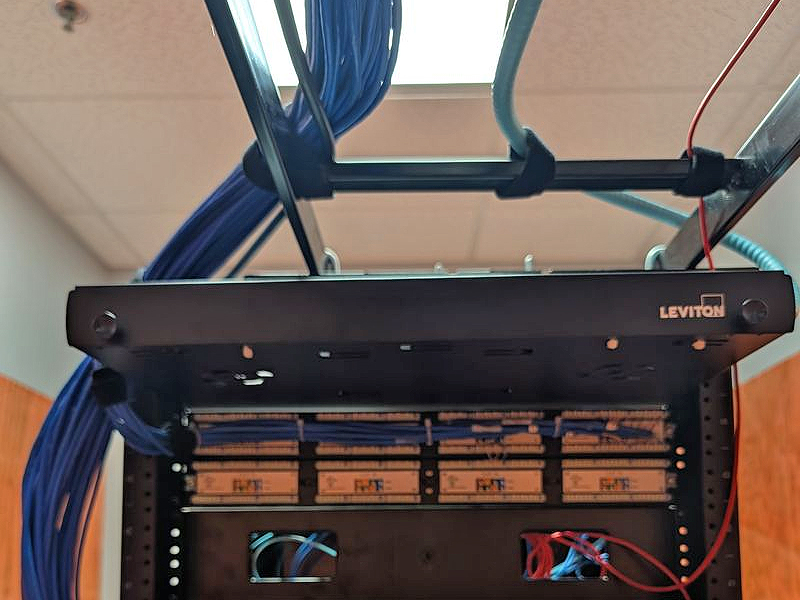
What Is Commercial Structured Cabling?
Commercial structured cabling is a standardized system of cables, connectors, patch panels, and network equipment that forms the backbone of a building's communications infrastructure.
Unlike point-to-point cabling installed over many years without a consistent plan, structured cabling follows organized industry standards that simplify maintenance, troubleshooting, and future expansion.
A structured cabling system typically supports:
- Computer networks
- Business internet connectivity
- Wireless access points
- VoIP telephone systems
- Security cameras
- Access control systems
- Building automation
- Audio/visual equipment
- Digital signage
- Internet of Things (IoT) devices
Rather than installing separate cabling systems for each technology, structured cabling provides a unified infrastructure that supports multiple systems efficiently.
Why Structured Cabling Matters
The quality of a business's network infrastructure directly impacts productivity and operational efficiency.
Poorly organized or aging cabling can lead to:
- Network interruptions
- Slow data transfers
- Difficult troubleshooting
- Equipment failures
- Increased maintenance costs
- Limited scalability
A professionally installed structured cabling system improves reliability while making future technology upgrades significantly easier.
Facility managers also benefit from cleaner telecommunications rooms, organized cable management, and comprehensive documentation that reduces the time required to diagnose network issues.
Components of a Structured Cabling System
A complete structured cabling system includes several interconnected components working together.
Horizontal Cabling
Horizontal cabling connects workstations, offices, conference rooms, and wireless access points to telecommunications rooms throughout the building.
Modern commercial installations commonly use Cat6 or Cat6A Ethernet cable to support high-speed data transmission.
Backbone Cabling
Backbone cabling connects telecommunications rooms, equipment rooms, and multiple floors within a building.
Many commercial facilities utilize fiber optic cabling for backbone connections because it supports higher bandwidth over longer distances with exceptional reliability.
Telecommunications Rooms
Telecommunications rooms house network switches, patch panels, and equipment that distribute connectivity throughout the building.
Organized cable management inside these rooms simplifies maintenance while improving airflow and equipment accessibility.
Equipment Rooms and Data Centers
Larger commercial facilities often include centralized equipment rooms or data centers that serve as the core of the network infrastructure.
These areas require careful planning for cable routing, rack organization, power distribution, and future expansion.
Benefits of Commercial Structured Cabling
A structured cabling system offers numerous long-term advantages for facility managers and business owners.
Improved Reliability
Consistent network performance helps employees stay productive while reducing service interruptions caused by poor infrastructure.
Simplified Maintenance
Clearly labeled cables and organized patch panels allow IT personnel to identify and resolve issues quickly.
Scalability
As businesses grow, structured cabling makes it easier to add workstations, wireless access points, security systems, and new technologies without major renovations.
Reduced Downtime
Reliable infrastructure minimizes unexpected outages that can disrupt operations and impact customer service.
Better Organization
Professional cable management improves the appearance of telecommunications rooms while making future upgrades faster and safer.
Choosing the Right Cabling
Selecting the appropriate cabling depends on your organization's current and future technology requirements.
Cat6 Cabling
Cat6 is an excellent solution for many commercial environments and supports high-speed Ethernet connections for offices, retail stores, schools, and healthcare facilities.
Cat6A Cabling
Cat6A provides additional bandwidth and improved performance for businesses planning future growth or supporting high-density network environments.
Fiber Optic Cabling
Fiber optic cabling is commonly used for building backbones, data centers, and long-distance connections where maximum speed and reliability are required.
An experienced structured cabling contractor can recommend the best combination of copper and fiber infrastructure for your facility.
Planning for Future Growth
One of the biggest advantages of structured cabling is its ability to support future expansion.
When designing a new installation, facility managers should consider:
- Business growth
- Additional employees
- Future office renovations
- Expansion into adjacent spaces
- Increased wireless coverage
- Security upgrades
- Smart building technologies
- Higher internet bandwidth requirements
Planning ahead often eliminates the need for expensive infrastructure modifications later.
Common Mistakes Facility Managers Should Avoid
Many network problems can be traced back to poor planning or improper installation.
Common mistakes include:
- Installing insufficient cable capacity
- Using outdated cabling standards
- Poor cable labeling
- Inadequate cable management
- Overlooking future expansion
- Ignoring testing and certification
- Mixing multiple cabling standards
- Skipping documentation
Working with experienced professionals helps prevent these issues while ensuring compliance with industry standards.
Why Testing and Certification Matter
Installing cabling is only part of the process.
Professional testing verifies that every cable performs according to industry standards.
Testing confirms:
- Signal integrity
- Proper termination
- Cable continuity
- Performance specifications
- Overall system reliability
Certification provides documented proof that the installation meets required performance standards and gives facility managers confidence in the completed project.
Industries That Benefit from Structured Cabling
Commercial structured cabling supports organizations across virtually every industry, including:
- Office buildings
- Warehouses
- Manufacturing facilities
- Retail stores
- Healthcare facilities
- Educational campuses
- Hotels
- Restaurants
- Banks
- Government buildings
- Distribution centers
- Multi-tenant commercial properties
Every organization that depends on reliable technology benefits from professionally installed network infrastructure.
Why Businesses Choose Horizon Electronics
Horizon Electronics installs commercial structured cabling for businesses of all sizes, delivering dependable network infrastructure that supports today's technology while preparing organizations for future growth. Their experienced team designs and installs complete structured cabling systems for offices, warehouses, manufacturing facilities, healthcare organizations, educational institutions, retail locations, hotels, and multi-site enterprises.
Services include Cat6 and Cat6A cabling, fiber optic installation, telecommunications room buildouts, network rack installation, patch panel termination, cable management, testing, certification, and comprehensive documentation. Every project is completed using proven installation methods and industry best practices to ensure long-term performance and reliability.
Whether your business is constructing a new facility, expanding operations, remodeling an existing building, or replacing outdated network infrastructure, Horizon Electronics provides professional commercial structured cabling solutions tailored to your organization's unique needs.
Conclusion
Commercial structured cabling is far more than a collection of network cables hidden behind walls. It is the foundation that supports communication, productivity, security, and business operations throughout your facility.
For facility managers, investing in a professionally designed structured cabling system provides long-term value through improved reliability, simplified maintenance, greater scalability, and reduced downtime. By planning for future growth and partnering with experienced professionals, businesses can build a network infrastructure that supports evolving technology for years to come.
If your organization is planning a new construction project, renovating an existing facility, or upgrading aging network infrastructure, Horizon Electronics has the expertise to design and install commercial structured cabling solutions that keep your business connected, efficient, and ready for the future.
If you would like a quote for an upcoming job,
please click the "Request Quote" button below.
Nationwide Coverage
